
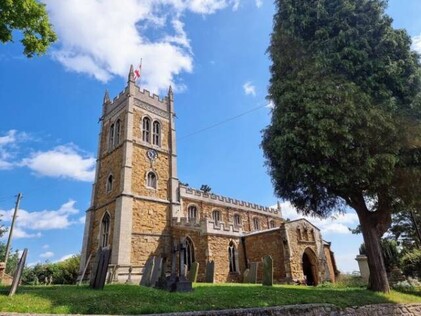
Churches face a unique heating challenge: vast, infrequently-used spaces with high ceilings, stone walls and intermittent occupancy. Traditional systems often heat the air in the entire volume long before a service, leading to high cost, energy waste and discomfort. A study of heritage worship buildings found that two-thirds of heat loss often comes through the building fabric (walls, roof, windows). Footsteps+1
The good news: recent upgrades show heritage churches can reduce running costs, improve comfort and lower carbon emissions through well-designed modern heating systems.
Proven Solutions You Can Trust Radiant Infrared Heating
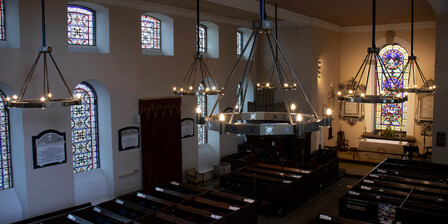
One of the most compelling technologies for large open nave spaces is infrared (IR) radiant-heating. In a case study at St Matthew’s Church, Bristol, the installation of IR heaters reduced pre-heat time from three hours (on the previous gas system) to just 30 minutes. herschel-infrar
The same trial showed:
A warm-up from ~11 °C to ~22 °C in 20 minutes. herschel-infrared.co.uk
Running cost for a Sunday service dropped to under £20 (versus up to ~£100 previously) in the benchmark case.
Benefits for churches:
Heat people and pews directly rather than the entire volume of air — meaning faster comfort and less waste.
Minimal installation disruption: no major ducts or boiler-flue work required.
Suitable for listed or heritage settings because it is discreet and compatible with sensitive building fabric.
Ideal when usage is intermittent (services, events) rather than continual occupancy.
Smart Controls and Zoned Heating
Another key factor is accurate control — the ability to match heating output to occupancy, schedule and building zones.
For example, a case for St Joseph’s Church involved fan-convectors with EC-fan control and a master/slave system, allowing rapid heat-up when required and quiet maintenance afterwards.
Zoned control and occupancy-driven scheduling help avoid heating large volumes unnecessarily and adapt to varied usage patterns (services, meetings, community events).
Low-Carbon Systems and Retrofit Success
Many churches are upgrading fossil-fuel systems in favour of low-carbon alternatives. In the case of a listed church in the UK, the upgrade included insulation, heat pumps and electric radiators, helping achieve a net-zero-carbon target. Church of England
Another community-church case found infrared ceiling and floor heating allowed design freedom and energy-saving in a new-build worship centre.
Why This Matters for Your Church
Cost savings: Shorter warm-up times and precise control mean lower energy bills and less need to pre-heat for hours.
Improved comfort: Congregants arrive into a warm, welcoming space rather than a chilly shell; radiant systems deliver warmth where people are seated.
Sustainability & carbon-reduction: Modern systems help churches align with institutional net zero targets and respond to rising fuel and energy prices.
Heritage-friendly: Many solutions are designed to respect architectural integrity — minimal invasive pipework, flues or ductwork.
Flexibility: Systems tailored to usage (services, mid-week events, community hire) give control over zones and schedules.
What to Consider Before You Proceed
Conduct a full energy assessment of your building: check insulation, fabric, usage patterns and heat-loss sources. For example, in one UK study the lack of loft insulation and simple two-zone heating control were major inefficiencies. UCL Discovery+1
Choose the right heating strategy for your usage: for intermittent services, radiant heating may offer best value; for high-use community centres, heat-pump + zone control might be better.
Review controls: smart scheduling, zone control, occupancy sensors and remote override make a real difference.
Work with heritage constraints: For listed buildings, ensure system can be installed with minimal impact to fabric and is sympathetic to original architecture.
Prepare realistic cost-and-payback projections: although savings are proven, they depend on usage pattern, system design and installation quality.
Let’s Talk About Your Church’s Heating Future
If you’re considering a heating upgrade — whether a full retrofit or targeted zone solution — now is the perfect time. With rising energy costs and more stringent sustainability expectations, modern heating systems designed for heritage and community buildings offer tangible benefits.
Let’s work together to assess your building, identify the best system architecture and design a solution that delivers comfort, cost savings and sustainability — all while respecting your church’s heritage and mission.
Contact Church Ecomiser via the CSC Buying Group, e-mail buy@cscbg.org.uk for an introduction